Transitioning away from combustible materials requires understanding modern devices. Advanced vaporizers transform specialized liquids into dense clouds through controlled thermal heating.
01
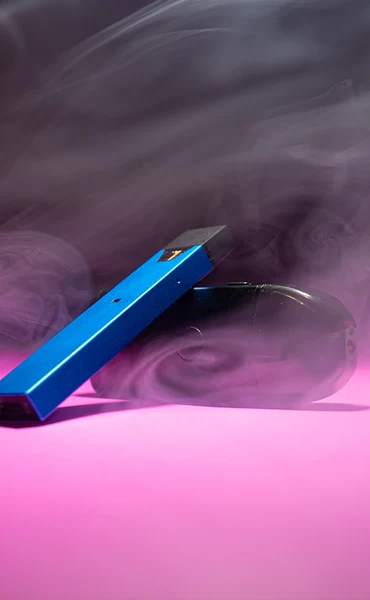
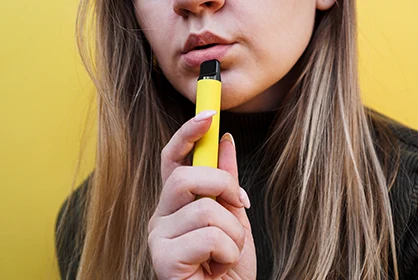
Compact pods
Small devices utilize pre-filled cartridges and draw-activated firing mechanisms, offering a highly portable solution for everyday users seeking simplicity without complex maintenance.
02
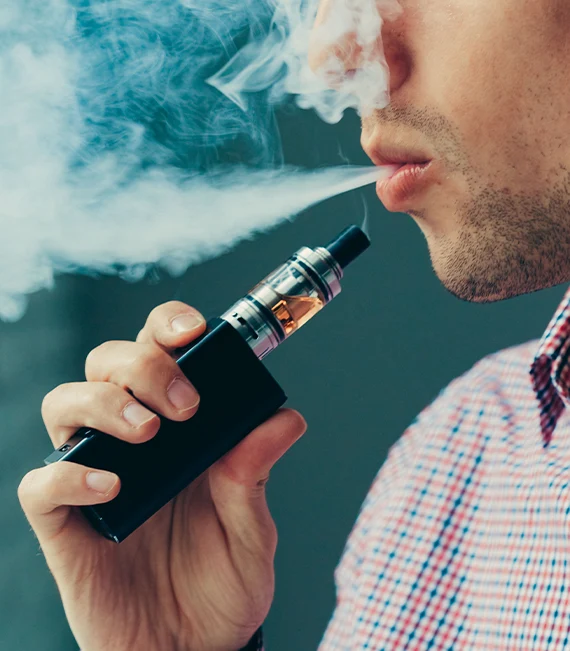
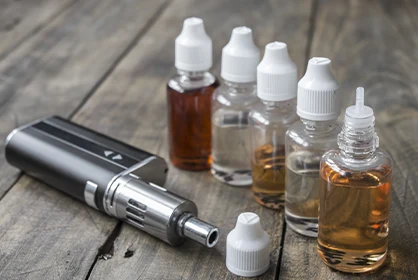
Advanced mods
Regulated box units feature adjustable wattage and temperature control, allowing experienced enthusiasts to fine-tune vapor production and maximize internal lithium battery efficiency.
03
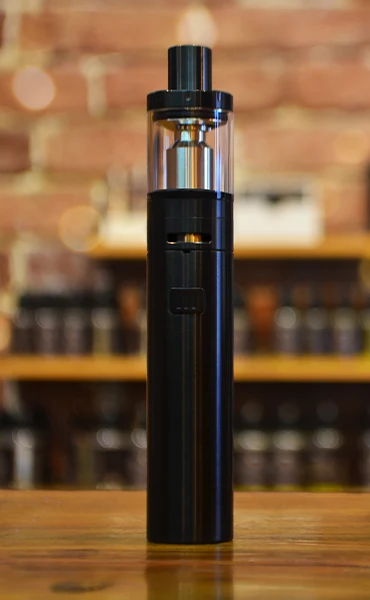
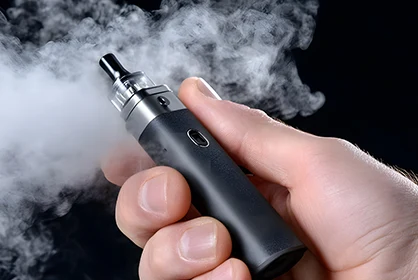
Pen style
Cylindrical batteries pair with refillable tanks to provide a comfortable grip, bridging the gap between basic starter kits and advanced hardware configurations.
Fluid composition dynamics
Understanding complex flavor profiles
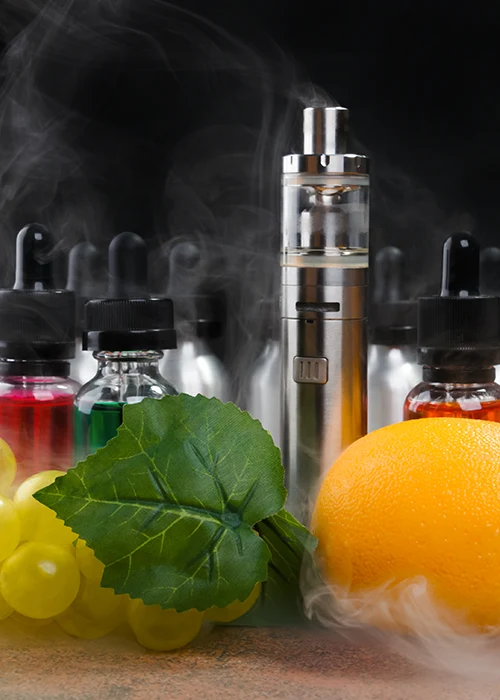
Vegetable glycerin creates thick vapor while propylene glycol carries distinct taste elements and provides a noticeable throat sensation. Mixologists carefully balance these base ingredients with concentrated food-grade aromas to accurately replicate everything from fresh orchard fruits to rich vanilla custards.
Nicotine salts naturally occur in tobacco leaves and undergo chemical modification to ensure smoother inhalation at higher concentrations, making them an ideal choice for low-wattage mouth-to-lung atomizers.
Balanced ratios for clearomizers tanks
High viscosity limits for sub-ohm
Zero milligram nicotine cessation alternatives
Optimizing hardware with essential components
Replacement coils
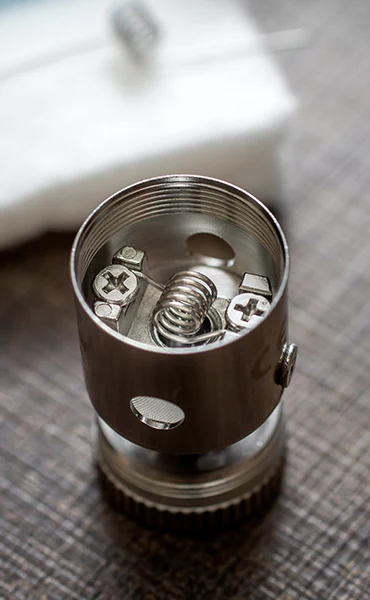
Mesh wire configurations expand the heating surface for purer taste.
External batteries
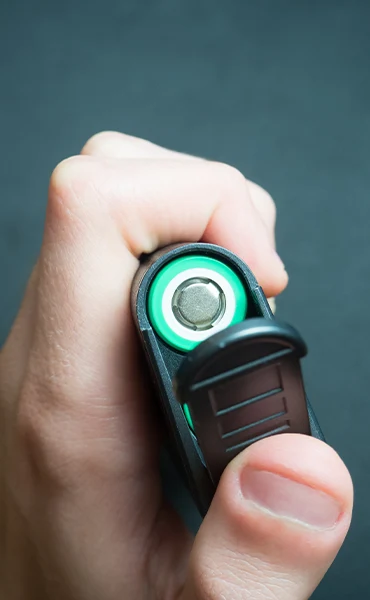
Lithium-ion cells require dedicated chargers to maintain optimal voltage levels.
Glass tubes
Pyrex reservoir extensions increase liquid capacity during long travel days.
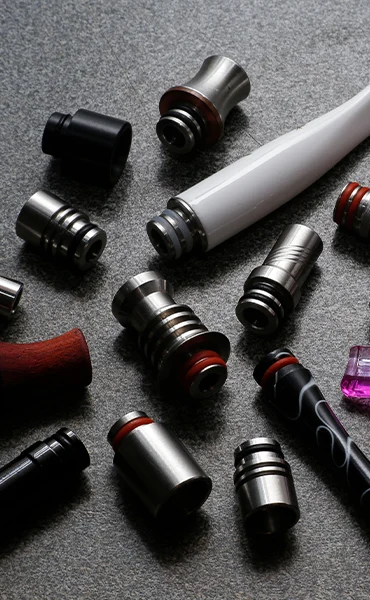
Drip tips
Wide-bore mouthpieces crafted from resin prevent heat transfer to lips.
Carrying cases
Shockproof travel bags organize spare pods, cables, and cleaning tools.
Managing the transition
Stepping down intake levels over several months allows the human central nervous system to adapt gradually. Moving from eighteen milligrams down to three, and eventually reaching absolute zero, requires a strictly structured timeline carefully tailored to individual habits and daily consumption patterns.
Physiological considerations during switch
Navigating respiratory system changes
Eliminating combustion removes tar and carbon monoxide from daily inhalation. Over the first few weeks, the cilia lining the lungs begin regenerating, which often leads to temporary coughing as the body naturally clears accumulated debris from the bronchial airways.
Hydration plays a crucial role during this transitional period because vaporizing ingredients actively draw moisture from mucous membranes, causing noticeable dry mouth and mild throat irritation.
Addressing common physical sensations
Adapting to aerosol inhalation
Increased water consumption needs
Drinking ample fluids counters the dehydrating effects of propylene glycol. Keeping a water bottle nearby ensures saliva production remains steady and prevents the occurrence of a muted palate sensation.
Olfactory Sense Recovery Timeline
Taste buds reactivate remarkably fast after removing combustible smoke. Within forty-eight hours, food flavors become significantly sharper, though this sensitivity can initially make certain e-liquids seem overwhelmingly sweet tasting.
Monitoring sleep cycle disruptions
Evening use of high-strength formulations might interfere with resting patterns. Shifting to lower concentrations before bedtime helps the brain transition into deep REM sleep without excessive nocturnal chemical stimulation.
Managing nicotine saturation levels
Rapid puffing leads to slight dizziness or headaches. Taking longer breaks between sessions allows the bloodstream to process the compound efficiently without overloading the cardiovascular system during heavy use.
Selecting appropriate device architecture
Hardware form factors
Disposable closed systems
Pre-charged units sealed with liquid offer immediate utility, requiring zero maintenance until the battery depletes.
Squonk bottom feeders
Squeezable internal silicone bottles pump juice directly up into rebuildable dripping atomizers for fresh taste.
Mechanical tube chassis
Direct battery voltage flows to the coil without electronic safety chips, demanding extensive physics knowledge.
Daily equipment maintenance protocols
Preserving component lifespan efficiently
Regular cleaning of connection points prevents voltage drops and misfires. Using a cotton swab lightly dampened with isopropyl alcohol removes condensed vapor and dust from the threading, ensuring a stable electrical bridge between the power source and the heating atomizer.
Emptying glass tanks before extended storage stops seals from degrading. Rubber O-rings maintain their elasticity much longer when washed with warm water and allowed to dry.